
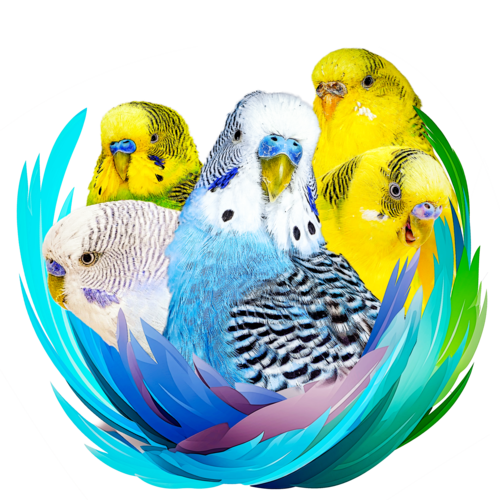



Lovebirds are intelligent animals and make beautiful pets for many homes. The good news is taming and training these birds is not difficult, albeit it does require a great deal of time and patience. The time so spends, however, will be worth it as it results in one of the closest bonds mankind has ever formed with a wild animal. Additionally, the bird’s beauty will add charm and a refreshing experience to anyone who sets eyes on these creatures at home. If the master has more than one bird then the recommendation is to start with one bird at a time separately. This is because putting a pair together could be challenging as the attention will be divided to the partner rather than the master. This trick aims to enable the bird to view the owner as its companion without distraction making the training a joyous experience for the lovebird. It is important to remember that hand taming and training a younger lovebird is easier since it grows knowing the owner as a trusted friend rather than training adults’ new tricks. This article discusses the steps taken in taming and training lovebirds as well as the challenges involved to achieve this goal.
Time to familiarize with the new environment
Once everything has been assembled including the cage, food, and cleaning materials, it may time to prepare to welcome the visitor home. Love birds will require approximately two weeks to get used to the new home before taming and training begins. This period could vary depending on the type of bird and its temperament. Initially, it is advisable to place the cage in a busy room near people so that the bird can get used to human interaction and activity. However, care should be taken not to place the cage near the kitchen as the fumes from there could prove toxic if not fatal to the bird. It is after the bird feels comfortable by not fluttering the wing or freezing on its perch in the presence of an approaching person, should they be considered ready for the next step.
Talk to the bird in a gentle voice
Making the bird feel comfortable and safe while around it is key to gaining its full trust. Most pets sense tension and anger, so taking to the bird with a soothing voice will give reassurance and calm the bird. These pleasant interactions can be done when changing its water and food throughout the day.
Slow and gentle movements
Birds are generally very nervous animals; hence any sudden movement can result in panic and a frightened bird. Approaching the bird slowly and gently will reassure the bird that there is no threat to its life. The hand should be somewhat above the eye and neither very high above it as this would be scary nor too low as this may signify the owner is submissive to the pet. The combination of gentle hands and soothing voice will do wonders in calming the bird.
Hand taming
This is a common way of taming the bird, however, due to the bird’s timid nature, it may grow wary of hands near the cage. Those from pet stores may link hands to chasing and grabbing, resulting in more fear from the bird of human handling. To help reduce its anxiety, place the hand visible to the bird and talk soothingly not moving the raised hand. This process should be done for approximately 10 to 15 minutes, twice or thrice a day, for a week. One should remember that at this stage it takes time and patience that will pay of in the end.
Hand in the cage
Once the bird is no longer afraid of a hand outside the cage, it could be time to introduce the bird to the hand in the cage. This should be done slowly and gently not to startle it. At this point, avoid eye contact with the bird as direct eye contact would suggest a threat to the pet. The placing of hand in the cage should be done every morning when changing food or water, this will make the bird more comfortable with the hand. The owner will avoid the temptation of touching the bird while the hand is in the cage for now until considerable trust is built.
Introduce a treat
If the hand in the cage is not building trust as expected, then it may be necessary to facilitate things by presenting a treat in the hand. The delicacy may include millet spray, dark and leafy greens, and other types of fruits such as a piece of apple. Ensure that this treat is one that the bird already enjoys eating. The hand with the meal should stay still in the cage until the bird is sure, this might take a few tries before the bird comes around. Present the treat three to five times daily when changing the bird’s food and water and sooner the bird will begin to anticipate a daily hand full of treats. As it begins to feed, move the hand near it slowly until it is comfortable with the hand in the cage.
Teaching the bird to step up
While the hand is still in the cage, create a perch with the index finger while the other fingers are folded inside the palm. Slowly and gently move the index finger towards the bird just below its breast line to encourage it to step over the perch. Do not be discouraged if the bird jumps or flies away to another part of the cage, try another time. A different strategy such as holding a treat far away from it where it will be forced to fly to the finger to get it. A gentle verbal command to the bird telling it to step up each time will reinforce in its mind the need to step on the finger. Remember to keep the finger still should the bird take the offer, so as not to scare it.
Reward the bird
Reward system is known to change the behavior of many animals; hence every time the bird obeys and steps onto the finger gives a treat even if it briefly stayed on the finger. Every progress made, however, little should be rewarded, and keep in mind that apart from meals, the reward can also be verbal praise. Upon ascertaining that the bird is comfortable with the hand, it could be time to let out of the cage.
Prepare a room
To enhance taming, the bird should be taught to step onto the finger perch outside of the cage. This prompts the need to prepare a bird-proof room for such training in which it will feel secure and safe. Ensure the windows and blinds are closed, clear of other pets, hazards, well lit, tidy, clean, and locked during training sessions.
Rearrange the cage
The bird is used to the cage and its environment and sees it as a comfort zone. Taking the bird of this place can be a frightening endeavor, this could be worsened by toys, perches, and other playing materials in the cage. To help reduce the anxiety of getting out of its cage, it is necessary to clear the pathway out of the cage.
Allow time for the bird to acclimate to the outside environment
Once outside the bird may want to jump away from the finger and that is normal. Exercise patience and wait on it to calm down before jumping onto the finger again. It is helpful to keep the daily training short for around 10 to 15 minutes and to reward the bird every time it stays perched on the finger
Finger training in the bird-proof room
When the bird is calm and comfortable with the outside gesture to it with the finger to have it back in the cage. Using both hands as perches, challenge the bird to step up on one finger to the other mimicking the climbing ladder. Reward every step on the finger and carry out the training session daily for no more than 20 minutes.
Place the bird back in the cage
Upon completion of each training session, gently walk the bird back to the cage in one of the inside perches. Verbal commands such as step down can be uttered once it is brought to the branch. It is after the bird is comfortable in its cage should the door be gently closed
Conclusion
There is no doubt that lovebirds are pretty and a wonder to behold as pets. The loyalty these birds exhibit upon training is second to none. Nonetheless, it must be noted that it takes a considerable amount of time, patience, and attention to tame and train a lovebird to be a wonder. The preparation begins with preparing a suitable cage, choosing the right bird, and the right nutrition. Time is required for the bird to get comfortable with people and its environment before the first training commences. The owner must exhibit gentleness and speak soothingly to the bird to establish trust. Daily attention should be accorded to the bird while in the cage and on occasional outside plays. Just like humans, the bird likes appreciation; hence rewarding every obedience and progress during taming and training is highly recommended.





Add comment