
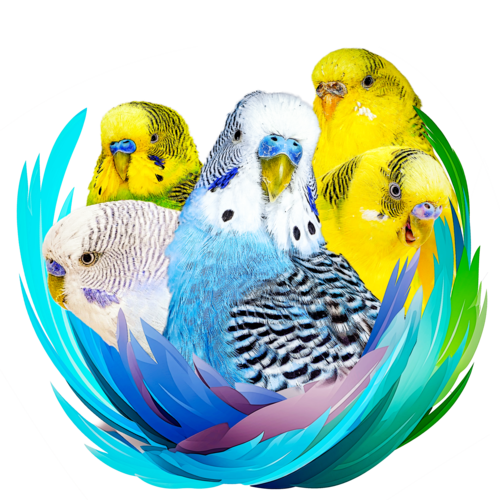


If you just got your first budgie – or you’re about to – this guide will save you a lot of mistakes.
I’ve kept budgies for years, and what I cover here is what I wish every new owner knew on day one: how to pick a healthy bird at the store, what cage actually works, what to feed, how to handle the first week at home, and which warning signs you should never ignore.
With good care, a budgie lives 10-15 years. That’s a long friendship, and the first 30 days decide most of it.
Here is the full breakdown.
In this guide:
- Choosing Your Budgie: Color, Gender and Age
- Should You Get One Budgie or a Pair?
- How to Pick a Healthy Budgie at the Pet Store
- Signs of a Sick Budgie
- Cage Setup Done Right
- Perches, Dishes and Toys
- Cleaning and Maintenance
- What to Feed Budgies Every Day
- Cuttlebone, Mineral Block and Molting
- Foods That Are Toxic to Budgies
- Flight Time, Bathing and Social Time
- Your Budgie’s First Week at Home
- When to Call an Avian Vet
Watch the full video version here:
BUDGIE CARE: The Complete Guide to Happy & Healthy Parakeets
1. Choosing Your Budgie: Color, Gender and Age
Does color matter?
Budgies come in green, blue, yellow, white, and dozens of combinations. The most common are:
- Normal green: green body, yellow face, black barring. This is the wild-type color.
- Sky blue: white face with light blue body. Very popular in pet stores.
- Albino / Lutino: pure white or pure yellow with red eyes.
Color does not change personality, talking ability, or health. Pick what you like. One practical note: albino budgies with red eyes are often more sensitive to bright light. If your room is very bright with direct sun, give them shaded spots in the cage.
Do not pay extra because a color is labeled “rare” unless you are specifically into breeding mutations. For a pet, health and behavior matter 100x more than color.
Male or female – what’s the difference in real life?
This is one of the biggest questions for beginners.
Males: Usually more vocal, more likely to mimic sounds and learn a few words. More playful, quicker to approach a hand, usually easier for a first-time owner to tame.
How to recognize: adult male has a solid bright blue cere. The cere is the fleshy strip right above the beak where the nostrils are.
Females: Usually quieter, more independent. They can become very tame too, but they often need more time and patience. During breeding condition they can be territorial and chew a lot.
How to recognize: adult female has a beige, tan or brown cere, especially brown and crusty when in breeding condition.
Young birds under 3-4 months: both sexes have pinkish-purple cere, so don’t judge too early.
If you want a talkative, hands-on pet and this is your first bird, a male is usually the simpler start. If you don’t mind a calmer bird and a slower taming process, a female is just as good.
What about a pair? One male + one female will likely try to breed once they settle in. If you don’t want breeding, get two males or two females. Two males in particular usually get along well and stay active and vocal.
Young or old budgie?
Young budgie, under 6 months: Best choice for most beginners. More adaptable, easier to train, usually more active and curious.
How to tell: young budgies have solid black eyes with no iris ring. Around 4-6 months, a white / light grey iris ring appears around the pupil. Young birds also have barring on the forehead all the way down to the cere. In adults, the forehead turns clear white or yellow.
Older budgie, 1-3 years: Personality is already formed. What you see is what you get. That can be good – you can pick a bird that is already calm around people.
If you pick an adult, only take one that is already friendly, eats in front of you, and doesn’t panic when a hand comes near. An unsocialized adult takes much longer to tame than a baby.
2. Should You Get One Budgie or a Pair?
Budgies are flock birds. In the wild they live in large groups and do almost everything together.
Getting two instead of one has clear benefits:
- Less loneliness. They preen each other, chatter, play, and sleep side by side. A single budgie left alone 8-9 hours while you’re at work gets bored fast.
- Less stress behavior. Bored single birds are more likely to scream, bite, pluck feathers, or sit puffed up doing nothing.
- They learn from each other. If one is braver with new food or toys, the other copies. Taming one often helps tame the second.
Does that mean a single budgie can’t be happy? It can, but only if YOU are the flock. That means daily out-of-cage time, talking, training, and interaction every single day without skipping. If you know you won’t have 1-2 hours a day, get two.
If you start with one, you can always add a second later. Quarantine the new bird in a separate room for 30 days first, then introduce slowly side-by-side.
3. How to Pick a Healthy Budgie at the Pet Store
Take your time at the store. Watch the birds for 10-15 minutes before you point at one.
A healthy budgie looks like this:
- Active and curious. Hops between perches, reacts to sounds, watches you. A healthy bird doesn’t sit in the corner with eyes closed at noon.
- Smooth, clean feathers. No bald spots, no poop stuck around the vent, no constant ruffling. Some molting is normal, but feathers should look tidy.
- Bright, clear eyes. No discharge, no half-closed watery eyes.
- Clean cere and nostrils. Smooth, right color for age/sex, no crust, no wet discharge around nostrils.
- Calm breathing. No tail bobbing with each breath, no wheezing, no clicking sound.
- Firm droppings. Normal budgie poop is a firm dark green coiled part with white urates. Occasional watery poop after drinking a lot of water or eating greens is okay. Constant yellow, black, bloody, or fully liquid droppings are not.
Ask the store: Are sick birds separated? Many stores keep 20-30 birds in one cage. If one is sick, others were exposed. If you see a clearly sick bird in the same cage as the one you want, pick another store or wait for a new, healthy batch.
Transport: bring a small cardboard transport box or a small covered cage. No food or water spills during a short ride, keep it warm and dark and quiet, and drive straight home.
4. Signs of a Sick Budgie You Should Not Ignore
Budgies hide illness. By the time they look sick, they are often very sick.
Do not buy a bird that shows:
- Sitting fluffed up on the cage floor, eyes closed
- Nasal discharge or crust around nostrils
- Sneezing or coughing repeatedly
- Labored breathing, tail moving up and down with each breath
- No interest in food or water
- Swollen eyes or wet feathers around eyes
At home, the same rules apply. A budgie that suddenly becomes quiet, sleeps all day, sits at the bottom, or stops eating needs an avian vet that same day, not next week.
What if you want to adopt a sick budgie?
Sometimes you’ll see a weak bird in the corner and feel sorry for it. If the store doesn’t treat sick birds separately, adopting it can work – but go in with open eyes.
- Take it to an avian vet immediately, same day if possible.
- Keep it completely separate from your other birds.
- Follow medication exactly – right dose, right time, full course. Stopping antibiotics early because “he looks better” is how relapse happens.
- Keep it warm (around 26-28C), quiet, with easy access to food and water.
It can be rewarding, but budget for the vet bill before you say yes.
5. Cage Setup Done Right
This is where most beginners go wrong. The cage is too small, too tall and narrow, round, or painted with cheap paint the bird chews off.
Forget exact centimeters for a second and use this test: can the budgie fly from one perch to another inside the cage without touching the bars? If yes, size is workable. If it can only hop, it’s too small.
Rules that matter:
- Width over height. Budgies fly horizontally, not like helicopters. A wide, long cage is always better than a tall thin tower.
- Never a round cage. Round cages stress birds – no corners to retreat to, and the curved bars mess up flight and climbing.
- Metal, not plastic or wood. Best is stainless steel. It lasts, doesn’t chip, and you can actually disinfect it. If you buy a painted cage, make sure it’s bird-safe powder-coated from a known brand. If the bird can chip paint with its beak, that cage is unsafe.
- Bar spacing: for budgies, around 1 – 1.27 cm (about 1/2 inch). Wider and they can stick their head through.
- Bottom tray: pick a cage with a pull-out tray. You will clean every 2 days, so you want this to take 2 minutes, not 20.
Place the cage at chest / eye level on a stable stand, not on the floor and not high up near the ceiling. Birds feel unsafe on the floor.
6. Perches, Dishes and Toys: What Actually Needs to Be Inside
A bare cage with one plastic dowel and two bowls is depressing for a budgie.
Perches: Give 2-3 wooden perches at different heights and thicknesses. Natural branches from safe trees like apple, pear, willow or hazel are perfect – different diameters exercise the feet and help wear nails naturally. Wash, scrub and fully dry them before install.
Avoid using only smooth plastic dowels. They cause pressure sores on feet over time. If your cage came with plastic perches, keep one at most and add wood.
Sandpaper perch covers: skip them. They irritate feet and don’t trim nails properly.
Dishes: Stainless steel beats plastic. Plastic scratches, holds bacteria in the scratches, and gets slimy fast. Metal bowls you can boil / scrub clean.
You need: one dish for seed/pellets, one for water, plus a small extra dish for chopped vegetables a few times per week.
Toys: Budgies need things to destroy, ring, and swing on. Good starter set:
- One swing
- One bell ball or foraging ball
- One shreddable toy – seagrass, palm leaf, balsa, cardboard
- One mineral block + one cuttlebone (these are not toys, but they stay in the cage permanently)
Rotate toys every 1-2 weeks and move them to a different spot. Same toy in the same corner for 6 months becomes wallpaper. New position = new toy in a budgie’s head.
7. Cleaning and Maintenance
Budgies poop a lot. The good news: healthy budgie poop doesn’t smell much. The bad news: if you let it pile up, bacteria does.
Simple routine that works:
- Daily: change water, refill food, quick check of droppings. Remove any wet chopped veggies after 3-4 hours.
- Every 2 days: pull tray, dump paper, wipe tray, put fresh paper. Clean water dish with hot water.
- Weekly: wash food/water dishes properly, scrub perches with poop buildup, wipe bars around food area, wash swing and toys that are dirty.
- Monthly: full teardown – wash tray with bird-safe disinfectant, rinse well, dry in sun if you can.
Use plain hot water and white vinegar for most cleaning. No scented sprays, air fresheners, bleach fumes or Teflon fumes near birds. Their lungs are extremely sensitive.
And chew check: if you see chipped paint on bars, sand it or replace the cage. Ingested paint chips can poison a budgie over time.
8. What to Feed Budgies Every Day
Diet is the #1 reason pet budgies die early. An all-seed diet from a supermarket bag leads to fatty liver and vitamin A deficiency.
Here is what works in practice:
Base: pellets + quality seed mix Pellets are formulated to be balanced. In 2025 and now, they are still the best foundation. Problem: many budgies raised on seeds refuse pellets at first. You can’t starve them into switching.
How to switch: Keep their familiar seed mix, and mix in 10-20% pellets. Every week, increase pellets a little. Offer crushed pellets sprinkled over chopped greens. Eat pellets in front of them – budgies want what you eat. Most birds convert in 3-6 weeks. Some take longer. Don’t rush to 100% pellets overnight.
Fresh vegetables, a few times per week: Finely chopped spinach, carrot, broccoli, kale, bell pepper, zucchini, cooked sweet potato. Wash well. Serve raw except sweet potato (cook it). Start with tiny amounts – a teaspoon. Remove leftovers.
Fruit: small piece of apple (no seeds), millet spray, banana, berries as occasional treat, not daily. Too much sugar.
Millet spray: budgies love it, but treat it like candy. Great for taming and training reward, bad as main food. A full millet-only diet makes obese birds.
Water: fresh every day. Wash the dish, not just refill. If you wouldn’t drink from it, they shouldn’t either.
9. Cuttlebone, Mineral Block and Molting
Every budgie cage needs two things hanging at all times:
- Cuttlebone – natural calcium source, also keeps beak trimmed.
- Mineral block – iodine and other trace minerals.
They chew what they need. Replace when worn down to a stub.
Molting: twice a year your budgie will lose and regrow feathers. You’ll see pin feathers on the head, more fluff around, maybe grumpier behavior and more sleep. This is normal.
During molt, add liquid vitamins/minerals made for birds to the drinking water according to the label for a few days. Extra protein from a little boiled egg (mashed with shell, plain, no salt) twice a week helps feather growth. Don’t panic if they look scruffy for 2-3 weeks – new feathers come in.
A calm, slightly fluffy bird during molt is normal. A bird sitting fluffed at the bottom, not eating, tail bobbing – that’s not molt, that’s vet time.
10. Foods That Are Toxic to Budgies
Some human foods kill birds fast. Memorize this short list:
- Avocado – fatal even in small amounts
- Chocolate, cocoa
- Onion, garlic
- Alcohol, coffee, caffeinated tea
- Fruit seeds/pits – apple seeds, cherry pits (cyanide compounds)
- Raw dried beans
- Salty snacks, chips, processed food
- Xylitol / birch sugar chewing gum
Safe rule: if you’re not 100% sure it’s safe, don’t offer it. Stick to bird pellets, bird seed mix, the veggies listed above, and millet for treats.
11. Flight Time, Bathing and Social Time
Daily out-of-cage time
Budgies are built to fly. 1-2 hours of supervised flight time in one bird-proof room every day keeps wings, muscles, lungs and mood healthy.
Before you open the cage: Close all windows and doors. Curtains over mirrors and large windows for the first few times. Turn off ceiling fans. Lock cats and dogs out. Hide open water pots, turn off stove.
Start with 30-40 minutes and build up. Don’t chase them to put them back – dim lights, offer millet in the cage, let them fly back when hungry. Most learn the routine in a week.
Bathing
Most budgies love to bathe. Offer a shallow dish with lukewarm water 2-3 times per week, about 2-3 cm deep. Some prefer wet lettuce leaves to roll on, others like a gentle mist from a spray bottle from above (never spray directly in the face).
Never force a bath. Never use soap or shampoo. After bath, let them dry in a warm, draft-free room on a perch. Wet birds can’t fly well and get cold fast – no open windows while damp.
Social interaction
Even with two birds, they still need you. Talk to them, whistle, offer food from hand, let them sit on your head or shoulder. That silly moment when a new budgie lands on your head on day 3? That’s curiosity and trust starting.
10-15 minutes of focused hand time twice a day beats 2 hours of you in the same room on your phone ignoring them.
12. Your Budgie’s First Week at Home: Step by Step
Day one decides how fast they trust you. Don’t rush it.
Cage placement: Living room corner is ideal – quiet side of the room, against a wall, away from windows, doors, kitchen fumes and direct AC. They should see family life but have one protected side. No kitchen – Teflon, smoke and strong smells kill birds. No hallway with slamming doors. No draft.
Height at your chest level. Cover back and one side with a light cloth for the first 2-3 days if they seem scared – gives hiding feeling.
Days 1-7: settle in, no grabbing No hands inside, no chasing, no taking out. Just: Change water daily, top up food, clean tray paper every 2 days. Sit near the cage and talk softly, read, work. Let them watch you. Let them learn your voice, that you bring food, that hands near the cage mean good things, not抓.
Sleep: 10-12 hours dark quiet sleep. Cover cage at night if room is noisy or bright. Same bedtime helps.
After day 7: start hand taming Hold a millet spray through the bars, then from open door with hand still. Let them come to you. Next step: small piece of veggie or millet between fingers. Then finger perch: slow, low, below chest level, say “step up.”
Short sessions, 5-10 minutes, 2x per day. End while it’s still fun. If they bite, don’t yank – push very slightly toward them, they lose balance and let go, then pause. Biting is fear, not hate.
13. When to Call an Avian Vet – Fast Checklist
Call same day if you see:
- Fluffed up on cage bottom for hours, not moving
- Tail bobbing with each breath, wheezing, clicking
- Discharge from nose or eyes
- No food for 8-12 hours, sitting with eyes closed during day
- Sudden change in droppings to black, bright yellow liquid, or blood, lasting more than a day
- Bleeding, broken wing/leg, head trauma after crash
Find an avian vet BEFORE you need one. Regular cat/dog vets often don’t treat birds. Save the number in your phone on day one.
Final word
You don’t need the most expensive cage or the rarest color. You need a healthy bird, a wide clean cage, balanced food with pellets and greens, 1-2 hours of flight, and patience that first week.
Do that consistently, and you get what every budgie owner wants: a bird that chatters when you enter the room, lands on you on purpose, and stays active and bright-eyed for 10+ years.
If this helped, watch the full video walkthrough at the top and subscribe for weekly budgie care, breeding and taming guides.
FAQ – quick answers
How long do budgies live? 10-15 years with pellets + veggies, clean cage, flight time and vet care. 5-7 years is common on seed-only diet with no flight.
Male or female budgie for beginners? Male is usually easier – more vocal, quicker to tame. Female is calmer and independent but needs more patience.
Is one budgie enough? Yes only if you give 1-2 hours daily interaction. Otherwise get two. Two males is the easiest non-breeding pair.
What cage is best? Stainless steel or quality powder-coated, rectangular, wider than tall, bar spacing ~1 cm, with pull-out tray. No round cages.
What is the best budgie food? Pellets as base + quality seed mix during transition, chopped veggies 3-4x per week, millet only as treat, cuttlebone + mineral block always available. No avocado, chocolate, onion, alcohol.
Why is my new budgie sitting fluffed up? If it’s the first days and he still eats and moves, often settling / light molt. If fluffed on the bottom, eyes closed, not eating, tail bobbing – avian vet immediately.







Add comment